
Practical guide
You have probably
been buying this company
for thirty years.
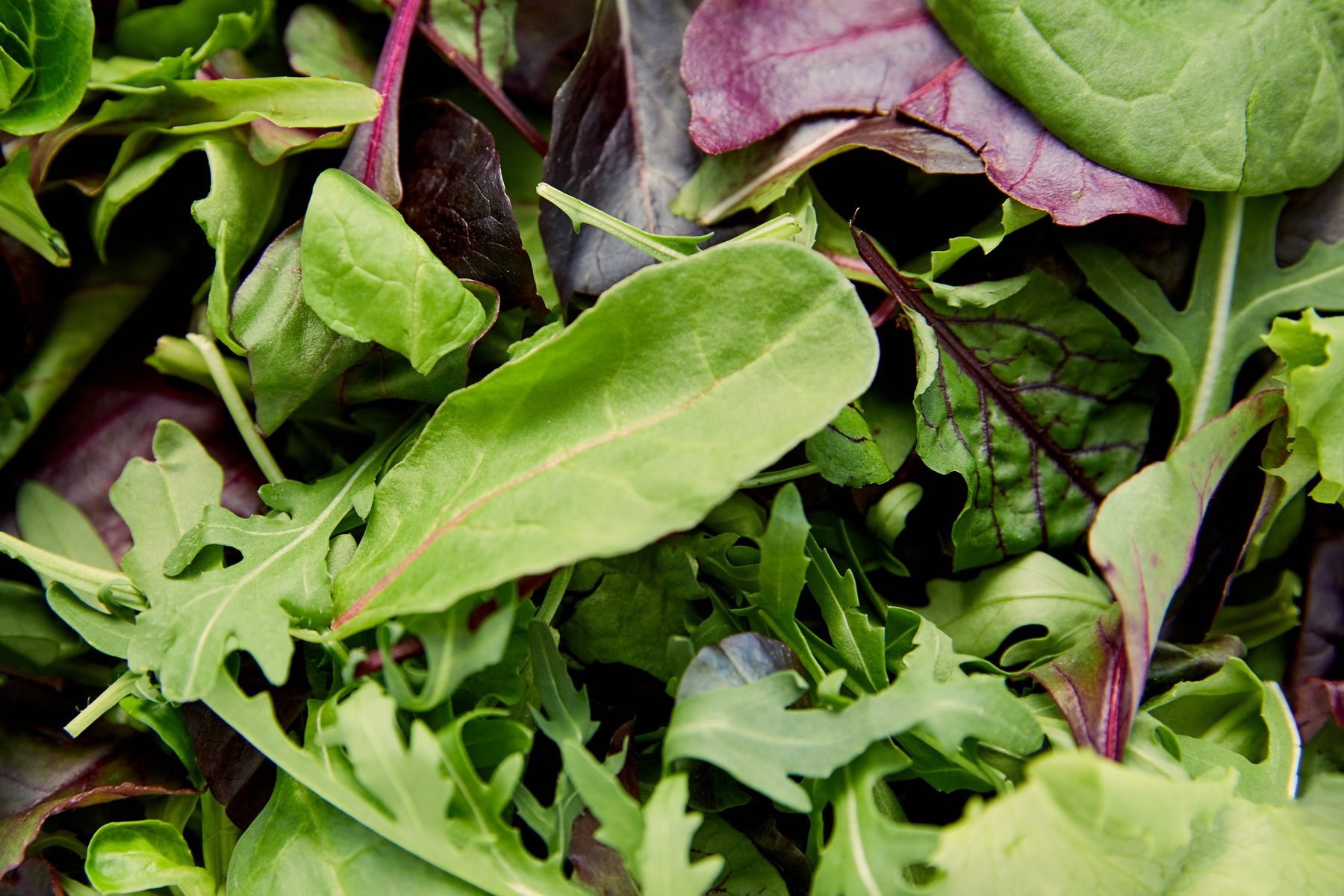
Taylor Farms is a private-label supplier. It grows, washes, cuts and bags produce — and then somebody else’s logo goes on the front. Your organic brand, your budget brand and your warehouse-club brand can come out of the same building on the same morning.
Brand reach
Names that can carry this supplier’s produce
Read this before you read the list
Appearing here does not mean a product was recalled, contaminated, or unsafe. It means this supplier is known to produce goods sold under that name. Not every item under these brands comes from Taylor Farms — salad kits and prepared greens most often do. The only retail brand named in the company’s own recall notice was Marketside.
- Earthbound Farm
- Eat Smart
- Green Giant Fresh
- Good & GatherTarget
- Market PantryTarget
- Kirkland SignatureCostco
- Private SelectionKroger
- Simple TruthKroger
- MarketsideWalmart · in recall
- Great ValueWalmart
- Trader Joe’ssome items only
You cannot identify it from the bag
A lot of people online concluded that the printed lot codes beginning “TF” were the tell. Snopes checked. They are not reliable for identifying this company as the source of any given bag of greens.
That is not a cover-up. It is simply how private-label manufacturing works — the entire point is that the maker is invisible. It works perfectly well right up until the moment you need to know.
Two official statements that cannot both be true
On the same weekend, the CDC told NBC News that shredded lettuce sold in grocery stores or served at other restaurants is not affected — while Taylor Farms’ own recall notice listed consumer retail bags of shredded iceberg. We have asked the company to reconcile those. Until someone does, treat the recall notice as the more cautious guide.
At the shop
What food safety specialists suggest
Nothing below is a recall. No fruit has been recalled in this outbreak. This is precautionary guidance from food safety specialists, and the logic is simple: the parasite lives on surfaces, so surfaces you do not eat are surfaces that cannot hurt you.
Thick peels and rinds
Bananas, citrus, pineapple, watermelon, avocado. The part that could be contaminated is the part you throw away.
Anything cooked to 70 °C / 158 °F
This is the only step that reliably kills the parasite rather than trying to rinse it off. The CDC recommends it where cooking is practical. Cook spinach, peppers, onions — and for the separate egg recall, cook eggs fully.
Crevices and folds
Raspberries, blackberries and leafy greens have ridges and crevices that hold onto microscopic organisms. Lettuce is, structurally, an organism-shaped object.
Pre-cut and pre-bagged
More handling, more surface, more chances. Buying whole and cutting at home puts you back in control of one step.
Anything on a live recall notice
Iceberg lettuce covered by the 17 July recall; about 19 million eggs from Midwest Poultry Services; specific frozen organic blueberries; two Latin American–style cheeses; one powdered infant formula. Check the current FDA list — recalls change.
The uncomfortable part
Washing does not reliably remove it.
The standard official advice is to rinse all fresh produce thoroughly under clean running water, including anything labelled pre-washed. That is good general practice and you should do it.
But specialists have been clear that washing alone may not eliminate this particular parasite, and the product at the centre of the largest outbreak was already prewashed, shredded and sealed before it ever reached a kitchen.
Which is why the 70 °C figure above matters more than the rinse. Heat is the step that works.
Little Hill Podcast · Last updated 5 August 2026
Recalls change. Before acting on anything here, check the FDA recall list for the current position.